Stucco Repair Sarasota: Cracks, Cost, and Timing Guide
Stucco repair in Sarasota almost always comes down to one thing: water finding a way in before you noticed a crack on the outside. Fix the crack, seal the entry point, and stop the moisture behind it — that's the job, whether it's a hairline line above a window or a soft, discolored patch near the foundation. The tricky part is that Sarasota's homes and coastline create a few local wrinkles most general stucco advice skips right past.
TL;DR: Most Sarasota stucco cracks start as a moisture problem, not a cosmetic one. Salt air near Siesta Key and Lido, plus the flat-roofed, low-overhang design common to Sarasota School of Architecture homes, both accelerate wear — get cracks sealed before the next rainy season, not after.

Why does stucco crack so much in Sarasota?
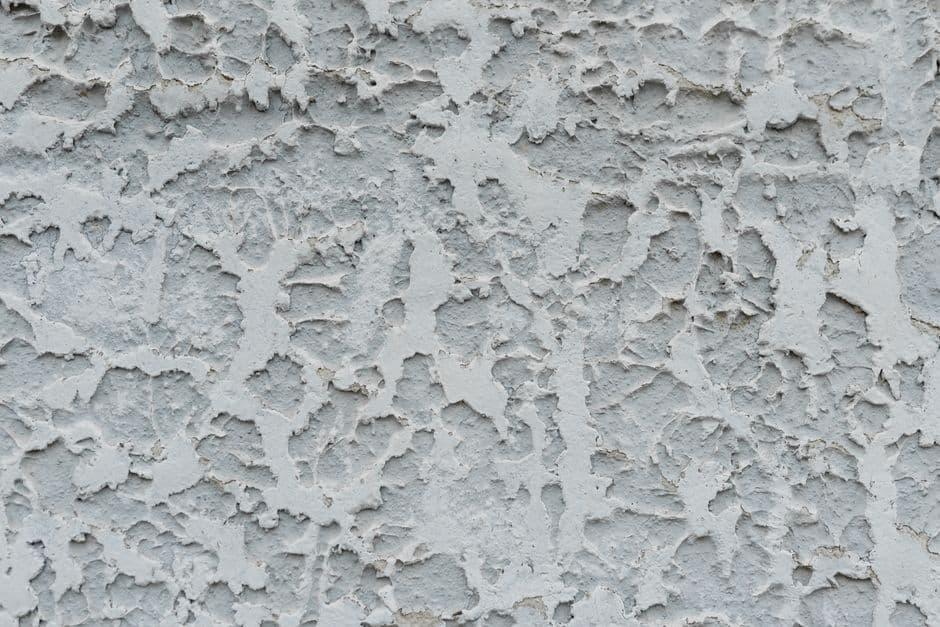
Stucco is a rigid material sitting on top of a house that moves. Florida's heat swings, humidity, and afternoon storms make that movement worse than in drier climates. Small cracks are normal wear. The question is whether they're just cosmetic or whether they're letting water behind the stucco where it can rot sheathing, rust lath, or feed mold.
A few things push Sarasota stucco toward trouble faster than average:
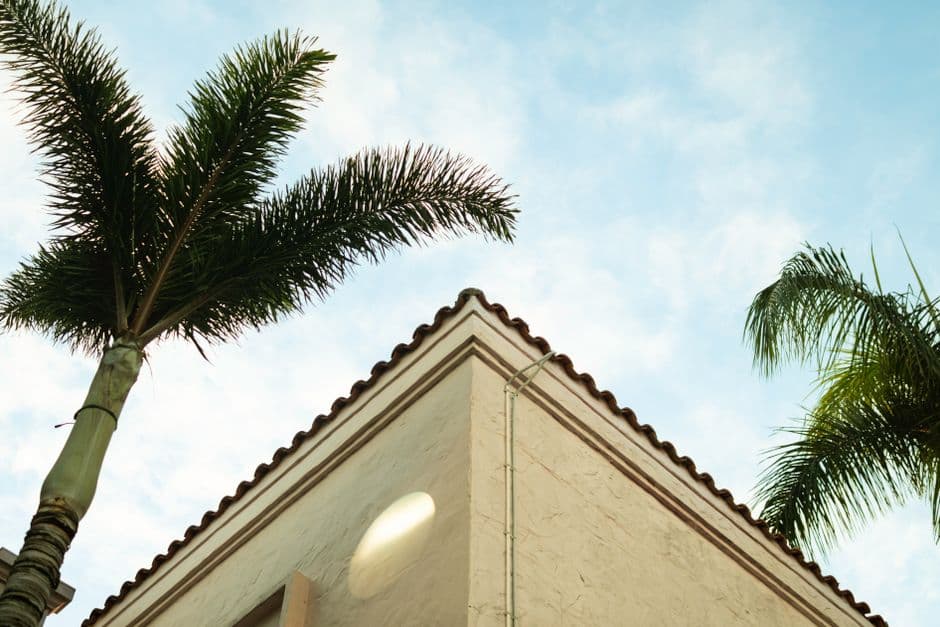
- Flat-plane, low-overhang design. Sarasota School of Architecture homes — the mid-century style with clean horizontal lines, minimal roof overhangs, and exposed structural detailing — look great, but that design leaves wall assemblies with far less rain protection than a house with deep eaves. Water hits the wall directly instead of running off past it, so any crack becomes a faster path to trouble. We see this pattern on almost every one of these homes we're called out to: the crack is small, but it sits on a wall plane that's taken direct rain for decades with nothing overhead to slow it down.
- Salt exposure on the barrier islands. Homes on Siesta Key and Lido take direct Gulf salt spray, which accelerates the breakdown of sealants and coatings compared to inland Sarasota properties. Siesta Key stucco repair jobs tend to show failed caulking and coating wear sooner than a similar house a few miles inland.
- Age and prior patch jobs. A crack that's been painted over more than once without sealant underneath tends to reopen. Cosmetic patching without addressing the moisture path is the most common reason a "repaired" crack comes back within a year or two.
- Irrigation and landscaping contact. Sprinklers hitting the base of a wall daily, or mulch beds piled against stucco, keep the material wet longer than it should be — a very fixable, very common issue.

How do I know if it's a small crack or real water damage?
Not every crack needs a contractor, and we'll tell a homeowner that straight when it's true. Hairline cracks under about 1/16 inch, especially in a stable wall with no other symptoms, are often just surface stress and can be monitored or sealed with a basic elastomeric caulk as routine maintenance. But some signs mean the damage has already moved past the surface.
| Symptom | Likely Cause | Urgency |
|---|---|---|
| Hairline crack, no staining, wall feels solid | Normal thermal/settling movement | Low — monitor, reseal during routine upkeep |
| Crack with dark staining or a soft spot underneath | Water has reached the substrate or lath | High — schedule repair before next rain event |
| Stucco crack radiating from a window or door corner | Movement at a structural transition, common failure point | Medium-high — seal soon, worse in heavy rain |
| Bulging or hollow-sounding stucco (tap test) | Delamination — stucco has separated from the wall | High — repair before it drops or spreads |
| Efflorescence (white chalky residue) | Moisture moving through the wall and evaporating minerals | Medium — indicates ongoing moisture, needs a source check |
| Cracking near a stucco-to-paver or grade transition | Poor drainage or grading pushing water into the base | Medium — worse over rainy season |
If you're seeing staining, softness, or a hollow sound when you knock on the wall, that's stucco water damage repair territory, not a caulk-gun fix. Waiting doesn't make it cheaper — it makes the area of rotted sheathing or lath bigger.
What does stucco waterproofing actually involve, and does it need a permit?
Waterproofing isn't a single product — it's a system: repairing the substrate, resealing cracks and control joints, and applying a breathable waterproof coating that keeps liquid water out while still letting the wall dry outward. According to the Florida Building Commission, exterior wall coverings including stucco are governed under the Florida Building Code's requirements for water-resistive barriers, which is part of why proper repair means more than smearing patch compound over a crack.
Whether you need a permit depends on scope and location. Minor caulk-and-patch work on small cracks generally doesn't trigger a permit. But a stucco permit Sarasota County project involving larger sections, re-stuccoing, or structural repair likely will, and the process is not identical everywhere in the region — the City of Sarasota issues permits separately from unincorporated Sarasota County, so which office you deal with depends on the property's exact location. We've pulled permits in both jurisdictions and can tell you upfront which office your address falls under, so you're not the one stuck on hold trying to figure it out.
As for stucco waterproofing cost Sarasota homeowners often ask about upfront — there's no honest flat number to give, because it depends entirely on the extent of damage, whether lath or sheathing needs replacing, and how much of the wall is affected. What's true in every case: repair is far cheaper than letting damage spread to the point of a full re-stucco. A free on-site estimate is the only way to get a real number for your specific wall, and it costs nothing to find out whether you're looking at a small patch or something bigger.

A realistic timeline for getting this done right
- Inspection. A contractor checks not just the visible crack but taps surrounding areas for hollow spots and checks for staining or soft substrate.
- Diagnosis. Determine if it's surface-level or if moisture has reached the lath, sheathing, or framing.
- Permit check (if needed). Confirm whether the City of Sarasota or Sarasota County is the permitting authority for the address.
- Repair. Remove and replace damaged stucco sections, address the water source (grading, irrigation, sealant failure), then reseal and coat.
- Cure and inspect. Stucco and coatings need proper cure time before repainting or further work — rushing this step is a common reason for early failure.
Late spring, before Florida's wet season hits full stride, is the smartest window to get repairs done — the National Weather Service notes Florida's rainy season typically runs roughly June through September, and sealing cracks before that stretch means less chance of water intrusion mid-storm.
HULK Stucco Co works across the Sarasota area
HULK Stucco Co is a family-owned, licensed and insured contractor serving Sarasota along with Hillsborough, Pinellas, Pasco, Manatee, Hernando, and Polk counties. The Perez family — Ariel Perez Jr. and Ariel Perez Sr. — handles everything from a single cracked corner to full stucco repair and waterproofing work, and if a home needs more than a patch, our complete stucco systems team can walk you through options. We don't have a fleet of trucks or a big office — it's a family running the business end to end, which is why we're upfront when a job is small enough to handle yourself. You can see examples of finished work in our project gallery or read more about how we approach jobs on our blog.
Frequently Asked Questions
Can I repair stucco cracks myself? Small hairline cracks with no staining or softness can often be sealed with an elastomeric caulk as routine maintenance. Anything showing staining, a hollow sound, or softness underneath has likely reached the substrate and needs a proper repair, not a surface patch.
How much does stucco repair cost in Sarasota? There's no reliable flat figure, since cost depends on the size of the damaged area and whether the lath or sheathing needs replacing. A free on-site estimate is the most accurate way to find out, and repair is consistently far cheaper than waiting until a full re-stucco is needed.
Do stucco repairs need a permit in Sarasota? It depends on scope and location. Minor patching usually doesn't require one, but larger repairs often do, and the City of Sarasota permits separately from unincorporated Sarasota County, so it matters exactly where the property sits.
Why does stucco crack more on Siesta Key than inland Sarasota? Barrier island properties on Siesta Key and Lido take direct Gulf salt exposure, which wears down sealants and coatings faster than inland homes experience. That means more frequent inspection and resealing is worthwhile for homes closer to the water.
If you're seeing a crack that's more than hairline, or a wall that feels soft or sounds hollow, don't guess at it. Get a free estimate and find out exactly what's going on before the next round of storms puts it to the test.
Exposure shifts within a few miles of here. North across the county line, stucco repair in Bradenton trades open Gulf salt for river humidity. Up the coast, Clearwater shows the same barrier-island contrast that Siesta Key does.