Stucco Repair St. Petersburg, FL: Salt Air, Cracks & Permits
Stucco repair in St. Petersburg comes with a wrinkle most Tampa Bay homeowners don't deal with: your house sits on a peninsula, so salt air hits it from two directions instead of one. That double exposure, combined with a lot of original 1920s substrate in neighborhoods like Old Northeast and Kenwood, means cracks and blistering show up sooner and mean more than they would on an inland home.
TL;DR: St. Petersburg's peninsula location doubles the salt exposure your stucco takes on, and many homes still have original 1920s substrate underneath. Small cracks need attention faster here than inland — catch them early with a repair, not a full re-stucco, and check the permit and flood-zone rules before ground-level work begins.
Why does St. Petersburg stucco crack and fail faster than inland homes?
Stucco is a porous cement-based coating. It's designed to breathe and move slightly with the building. The problem in St. Pete is what's in the air it's breathing.
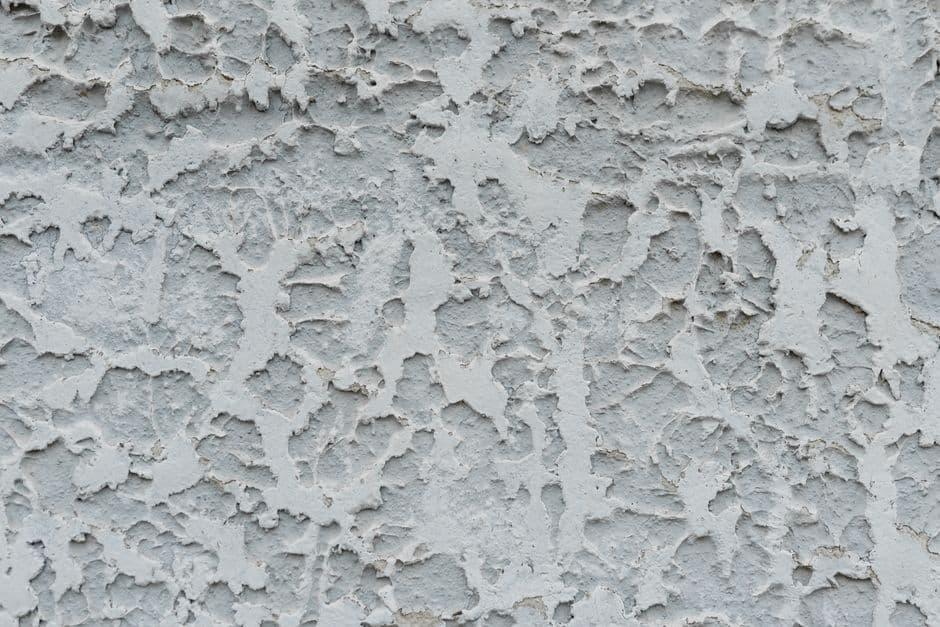
Because the city sits on a peninsula, salt-laden moisture rolls in from the Tampa Bay side and from the Gulf approach. Most inland Hillsborough or Polk County homes only deal with one weather pattern's worth of salt. St. Pete gets a two-sided chloride load, and chlorides are corrosive to the metal lath and fasteners hidden behind your stucco. Once that lath starts rusting, it expands, and the stucco above it cracks and eventually pops loose — a pattern known as spalling.
Add sun exposure and near-constant humidity, and hairline cracks that would sit stable for years elsewhere become water entry points here in a fraction of the time. According to the Florida Department of Business and Professional Regulation, stucco and other exterior wall coverings are regulated under the Florida Building Code specifically because moisture intrusion behind cladding is one of the most common causes of structural wood and framing damage in coastal construction. The National Oceanic and Atmospheric Administration also notes that Gulf and bay-facing coastal zones see measurably higher airborne salinity than inland areas just a few miles away, which lines up with what we see on St. Pete walls compared to jobs further inland.
A few things point to salt air stucco damage specifically, rather than ordinary settling:
- Rust-colored streaking below cracks or vents
- Bubbling or a "hollow" sound when you tap the wall
- Damage concentrated on the west- and south-facing walls, which catch the most wind-driven moisture
- Faster recurrence of cracks in the same spot after a previous patch
If you're seeing rust streaking, that's not cosmetic. That's the lath talking.

How urgent is that crack, really? A symptom-to-cause guide
Not every crack means call someone today. Here's how to size up what you're looking at before you decide whether it's a weekend of caulk or a job for a licensed crew.
| Symptom | Likely Cause | Urgency |
|---|---|---|
| Hairline cracks (under 1/16") in a spiderweb pattern | Normal curing or minor settling | Low — monitor seasonally |
| Single diagonal crack from a window or door corner | Structural movement or framing stress | Moderate — get it evaluated |
| Rust streaking below a crack | Corroding lath or fasteners underneath | High — moisture is already inside |
| Soft or hollow-sounding stucco when tapped | Delamination from the substrate | High — patch will fail without addressing the cause |
| Cracking concentrated near the foundation line | Possible flood-zone moisture wicking | High, and may involve permit rules (see below) |
| Bubbling paint or stucco near a downspout | Localized drainage failure | Moderate to high depending on how long it's been wet |
If you're in the "low" row, you genuinely don't need to call anyone. Keep an eye on it each hurricane season and reassess. Everything below that line is worth a proper look, because coastal moisture rarely stays where it started.
We'll say this plainly: not every estimate we do turns into a repair job. Sometimes a homeowner calls us out for a crack that's genuinely fine, and we tell them so. We'd rather say "wait and watch" for free than talk someone into work they don't need yet.

What makes 1920s bungalows and Mediterranean Revival homes different?
Old Northeast and Kenwood are full of homes built in the 1920s boom, many with original stucco applied directly over wood lath or early metal lath systems that predate modern building code. That's not a flaw — it's part of what makes those neighborhoods look the way they do. But it does change how repairs should be handled.
1920s bungalow stucco restoration isn't the same job as patching a 1990s block home. Original substrates are often thinner, more brittle, and mixed with different sand and lime ratios than modern stucco. Matching texture and color on a century-old wall takes a different hand than a standard patch — slap modern synthetic stucco over old lime-based stucco and you'll often see a visible seam or a crack forming right at the boundary within a year or two, because the two materials expand and contract at different rates.
For these homes, the right move is almost always a traditional patch and waterproofing repair that respects the existing material, rather than a wholesale tear-off. A full re-stucco is a bigger, more disruptive project and it's rarely necessary just because of localized cracking — even on a 100-year-old house. HULK Stucco Co's Stucco Repair & Waterproofing work is built around exactly this kind of situation: patching, crack repair, sealants, and moisture control that address the cause instead of just covering the symptom.

What do I need to know about permits and flood zones before repairing stucco in St. Pete?
Here's where St. Petersburg differs administratively from a lot of Tampa Bay. The City of St. Petersburg issues and inspects its own building permits — it doesn't route through Pinellas County for most residential work within city limits. That matters because permit requirements and inspection timelines can differ slightly from what a homeowner in unincorporated Pinellas or a neighboring city might expect.
Ground-level repairs carry an extra layer of scrutiny if your property sits in a designated flood zone, which a meaningful share of St. Petersburg does given its coastline. The Federal Emergency Management Agency maintains the flood zone maps that determine this, and repairs below the base flood elevation can trigger additional review — particularly if the work involves more than cosmetic patching. This is one area where it genuinely pays to have someone pull the permit correctly the first time rather than find out mid-project that an inspection is required.
Whether a specific repair needs a permit at all often comes down to scope — a small patch is treated differently than resurfacing a whole elevation. This is exactly the kind of judgment call worth getting right during a free on-site estimate rather than guessing.
Should you repair or replace stucco on a coastal St. Pete home?
In most cases, repair is the right call, and it's a fraction of the disruption and cost of a full system replacement. Full re-stucco makes sense when damage is widespread across multiple elevations, when the substrate itself has failed structurally, or when a home hasn't had any stucco maintenance in decades and moisture has clearly traveled behind large sections of wall.
If your damage is limited to a wall or two, streaking near specific vents or windows, or cracking that hasn't spread — that's a repair job, not a replacement job. HULK Stucco Co is licensed and insured, family-owned and run by the Perez family, and serves St. Petersburg along with Hillsborough, Pinellas, Pasco, Manatee, Hernando, Sarasota, and Polk counties. You can see examples of finished work in the project gallery or read more about the company's approach on the why page.
Frequently Asked Questions
How do I know if my stucco crack is a big deal or just cosmetic? Cracks under 1/16 inch in a spiderweb pattern are usually just curing or minor settling and can be monitored. Anything with rust streaking, a hollow sound when tapped, or a straight diagonal line from a window corner should be evaluated, since those point to moisture or structural movement underneath.
Does St. Petersburg require a permit for stucco repair? It depends on the scope. The City of St. Petersburg handles its own permitting rather than going through the county, and small cosmetic patches are treated differently than resurfacing a full wall. Properties in flood zones can face additional review for ground-level work.
Why does my stucco crack faster than a friend's house inland? St. Petersburg sits on a peninsula, so salt-laden air reaches homes from both the Tampa Bay side and the Gulf side. That two-sided chloride exposure corrodes the metal lath behind stucco faster than in most inland Tampa Bay locations, which speeds up cracking and spalling.
Can original 1920s stucco be repaired, or does it need full replacement? Original lime-based stucco on Old Northeast and Kenwood bungalows can almost always be patched rather than replaced, as long as the damage is localized. Matching the older material's texture and flex properties matters more than on a modern home, since mismatched patches tend to crack again at the seam.
Ready to get a straight answer on what your stucco needs? Get a free on-site estimate and find out whether you're looking at a patch or something bigger, before you spend a weekend guessing.
Salt exposure varies even inside Pinellas County. Up the coast, stucco repair in Clearwater splits sharply between the barrier island and the mainland. Inland across the bay, Tampa deals with historic lath-and-plaster far more than chloride.